How is spray foam insulation removed?
Mostly by hand, a section at a time, in a cramped loft. It usually takes a few days, and the job isn’t finished until the timber has been checked and you have the paperwork your lender will ask for.
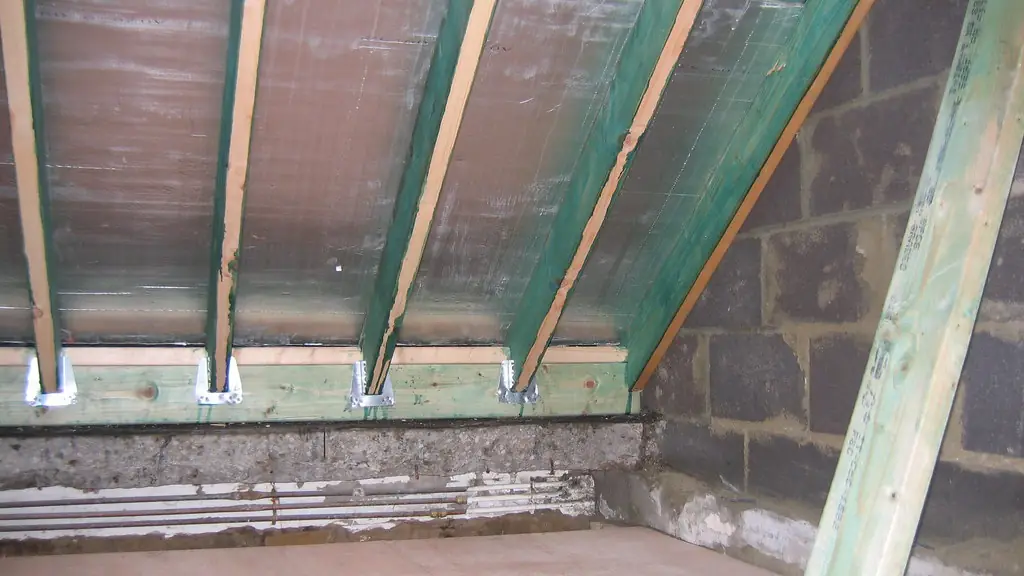
Spray foam removal, step by step
Firms differ in their tools, but a proper job follows the same order. If a quote skips a step, ask why.
Survey the roof first
The firm should look at the foam type, how thick it is, what it’s stuck to, and how easy the loft is to work in. Open-cell foam is soft and comes away more easily. Closed-cell foam is hard and bonds tightly, which means more time and more cost.
Protect the house
Dust sheets, a sealed loft hatch, and somewhere to take the waste out without dragging it through the house. Foam dust gets everywhere.
Cut away the bulk
Most of the foam is cut back by hand with long insulation knives and saws, between the rafters, a section at a time.
Clean the timber and the roof underside
The last layer is scraped and brushed off the rafters and the underside of the roof covering. This is the slow, careful part, because the roof covering is easy to damage. Some firms use dry ice blasting here.
Inspect the timber
With the foam gone, the rafters can finally be seen. Rot, damp or woodworm should be photographed and reported, and repaired before anything goes back in.
Re-insulate and ventilate
Usually mineral wool or rigid boards, with ventilation put back so the loft can breathe. This part has to meet Building Regulations.
Hand over the paperwork
Photos, a statement that all the foam is gone, and the state of the timber. This is what your lender reads. What the certificate should include »
Spray foam removal tools and machines
There’s no single machine that takes foam off a roof. It’s mostly hand tools, plus kit to control the dust and waste.
Insulation knives and saws
Long blades for cutting the foam back between the rafters. This is where most of the time goes.
Scrapers and brushes
For the last layer on the timber. Used carelessly, they gouge the wood and tear the roof covering.
Dry ice blasting
Blasts the foam off with pellets of frozen carbon dioxide. It can be faster on timber, but the machine costs money to bring in, so not every firm offers it.
Industrial vacuums and protective gear
To collect the dust, plus proper respirators, goggles and coveralls for the people doing the work.
Can you remove spray foam insulation yourself?
Nothing stops you doing it. But for most people it saves money on the wrong part of the job.
Your lender won’t take your word for it
If you’re removing foam to get a mortgage, the lender usually wants evidence from a firm or a surveyor that it’s all gone and the timber is sound. A DIY job can mean paying for a survey anyway, or doing parts of it again.
It’s easy to damage the roof
The foam is stuck to the underside of the roof covering. Pull it off too hard and you tear the membrane or loosen tiles, which turns a removal into a roof repair.
The dust is nasty
Scraping foam makes a fine dust that irritates your eyes, skin and lungs. A paper dust mask isn’t enough. You’d need a properly fitted respirator and goggles, in a hot, cramped loft, for days.
Lofts are dangerous places to work
One foot off a joist and it goes through the ceiling. Days of working bent over between rafters is how that happens.
Where DIY can make sense: a small area, foam you just want gone for your own reasons, and no sale or remortgage depending on it. Even then, take photos before and after, and check with your local tip how they want the waste bagged.
How long it takes, and what it costs
A small loft is often one to two days. A bigger roof, closed-cell foam, or damage found underneath can stretch it to five days or more.
Most removals in published UK cost guides come to £3,000–8,500. The biggest swings are the foam type, the size of the roof, how easy the loft is to get into, and whether the timber needs repairing. Work out a range for your roof »
Before you pay for removal at all, check whether your lender would take a £300–600 inspection report instead. The three-step check »
Five questions to ask a removal firm
The answers tell you more than the price does.
How will you protect the roof covering?
You want a clear answer, not “we’re careful”.
What happens if you find rotten timber?
Is repair in the price, or quoted separately once they see it?
What insulation goes back in, and is ventilation included?
Leaving the loft uninsulated, or sealed up again, is not a finished job.
What paperwork do I get at the end?
Photos, a written statement and the timber condition, at the very least. Check with your lender that it’s enough.
Are you a member of a trade body?
In August 2026 the Property Care Association announced a membership for removal firms that meet set standards. Check any membership claim on the trade body’s own website, because fake claims are common.
Want it done properly, with the right paperwork?
Tell me your postcode, your lender and what the survey said. I’ll put you in touch with a removal firm I’ve checked, or an assessor if a report might be enough.