Do you need your spray foam removed?
Not always. If the foam was fitted properly and the timber underneath is sound, some lenders accept a £300–600 report instead of a £3,000–8,500 removal.
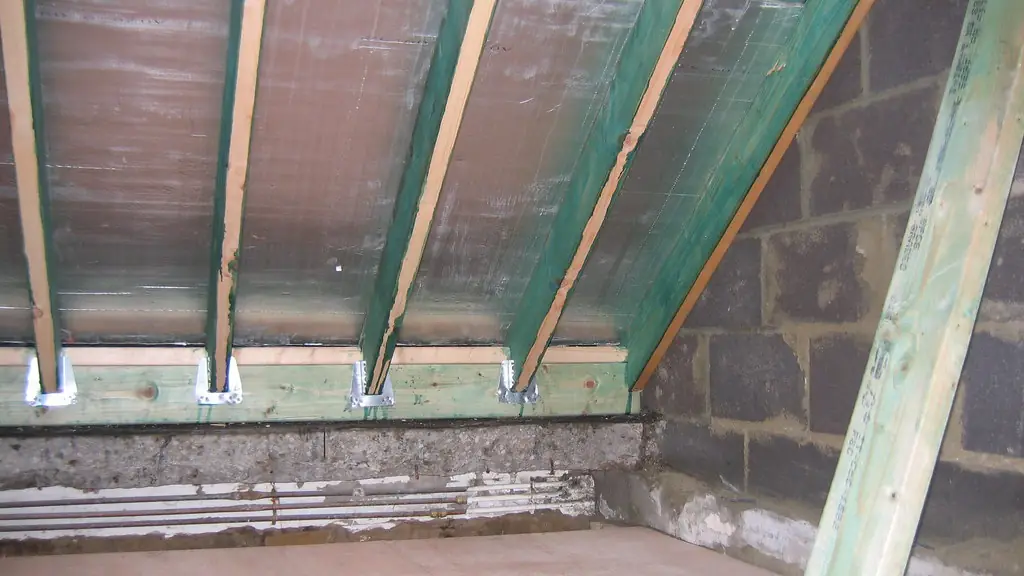
Spray foam insulation problems: what can actually go wrong
The main worries are about what foam does to the roof, and what that does to a sale.
It hides the timber
Foam covers the rafters, so nobody can check them for rot, woodworm or movement. This is the main reason valuers flag it.
It can trap moisture
The Property Care Association warns that foam can cause condensation against the timber, especially in cold weather, which can lead to rot.
It can block ventilation
Lofts need air moving through them. Foam seals the gaps that let it, and the PCA says that can restrict ventilation in the roof.
It can stop a mortgage
Because of the first three, many lenders won’t lend until someone shows the roof is sound. Which lenders accept it »
Spray foam survey or removal? Three steps, in this order
Do them in order and you’ll never pay for a report your lender won’t accept, or a removal you didn’t need.
Ask your lender what they’ll accept
Will they lend with the foam in if a report says the roof is sound? Whose report do they accept? Get it in writing. What to ask, word for word »
If yes, book the right assessor
Usually a RICS surveyor or a spray foam assessor on the Property Care Association’s register. Check which one your lender named before you book.
Act on the report
If it says the foam and timber are fine, send it to the lender. If it finds damp or damage, you’ll need removal, and the report tells the removal firm what they’re dealing with.
Report or removal
A refusal means the lender wants the foam dealt with. Dealt with doesn’t always mean removed.
When it has to come out
A report won’t save you if any of these are true. Better to know before you pay for one.
Your lender won’t take a report
Some want the foam gone, full stop. Their rule decides it, not the state of your roof.
There’s damp or rot
Foam can hold moisture against the timber. If the report finds that, the foam has to come off so the wood can be repaired.
It was badly fitted
Sprayed too thick, over the wrong roof covering, or with no ventilation left. A report will say so.
The buyer’s lender says no
If you’re selling, it’s your buyer’s lender that counts, and it may be stricter than yours.
The spray foam removal certificate: what it should include
The paperwork is what your lender reads, so it’s what you’re really paying for. Agree what you’ll get before the work starts.
- Before and after photos of every part of the roof
- A written statement that all the foam has been removed
- The condition of the timber once it was visible, and any repairs made
- What insulation was fitted afterwards
- The firm’s full details, and proof of insurance
Lenders differ on what they’ll accept, so give this list to your lender first and ask if anything is missing.
Watch out for “free” inspections
Trading Standards have warned about firms cold calling people who have spray foam.
In September 2024, Trading Standards Scotland warned that some removal firms send letters or cold call foam owners, offer an inspection, then invent problems to sell removal. Some claim to work with Trading Standards. Trading Standards Scotland says it isn’t working with any removal company.
The Property Care Association has also warned about fake “surveyors” using its logo, including with pensioners.
- Don’t book anyone who contacted you first.
- Check an assessor is on the PCA’s register yourself, on the PCA website.
- Never pay a deposit on the doorstep.
Not sure which route fits you?
Tell me your postcode, your lender and what the survey said. I’ll tell you whether a report is worth trying first, and put you in touch with an assessor or a removal firm I’ve checked.